
Fei Chai
Co-Chair
Fujian-OI / XMUChina

OceanObs’29 is part of the international conference series on sustained ocean observing. It brings together people who collect observations and people who use them to review progress and identify priorities for the next decade.
Questions? Contact the Coordination Team at info@oceanobs29.net.
The UN Decade of Ocean Science for Sustainable Development calls for sustained ocean observing across all ocean basins. OceanObs’29 builds on discussion from OceanObs’19 about how to close observing gaps and make data more useful to the people who rely on it. Ocean Decade Challenge 7
The Ocean Decade runs from 2021 to 2030. OceanObs’29 is an opportunity to plan which observing programs and activities should be carried forward after the Decade ends, to 2040 and beyond.
The Program Committee leads scientific and program planning. The International Advisory Committee provides strategic guidance, the Early Career Ocean Professionals Committee brings early career perspectives into the process, and the Coordination Team is the point of contact for questions and participation.
Leads the intellectual development of OceanObs’29: shaping themes, guiding engagement activities, and overseeing synthesis leading up to the conference.
Provides high-level strategic guidance, keeping the conference vision aligned with global priorities in ocean observing and reflecting diverse geographic, disciplinary, and sectoral perspectives.
Brings early career ocean professionals into OceanObs’29 planning, participation, and outcomes. Its four Co-Chairs link it directly to the Program Committee, and its members work across Africa, the Americas, Asia, and Europe.
Integrates OceanObs’29 activities, supporting communication, alignment, and information flow among the committees. It is the point of contact for questions and participation.
The Program Committee provides scientific and strategic leadership for the conference, shaping its vision, defining scientific priorities and themes, and guiding community engagement so that OceanObs’29 reflects global diversity, scientific excellence, and long-term relevance. Early Career Ocean Professional participation is integrated throughout.
Co-Chair
Fujian-OI / XMUChina

Co-Chair
Global Ocean Observing System (GOOS)France

Scripps Institution of Oceanography, UC San DiegoUSA

North Pacific Marine Science Organization (PICES)Canada

Voice of the Ocean FoundationSweden

Institute of Atmospheric Physics, Chinese Academy of SciencesChina

EuroGOOSBelgium
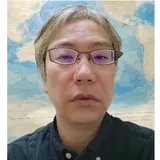
Japan Meteorological Agency Meteorological Research Institute (JMA/MRI)Japan

South African Environmental Observation Network (SAEON)South Africa
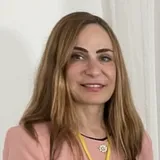
Centre Scientifique de MonacoMonaco

Mercator Ocean InternationalFrance

Access PartnershipMalaysia
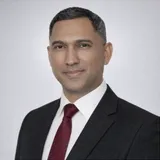
The University of Trinidad and TobagoTrinidad and Tobago
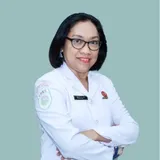
Indonesian Agency for Meteorology, Climatology and Geophysics (BMKG)Indonesia
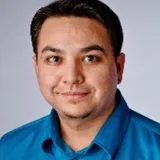
Ocean Networks Canada, University of VictoriaCanada
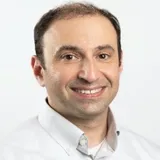
Laridae Consulting

GEOMAR Helmholtz Centre for Ocean Research KielGermany
National Institute for Ocean Research (INPO)Brazil
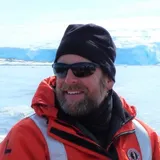
Woods Hole Oceanographic InstitutionUSA

Second Institute of Oceanography, Ministry of Natural ResourcesChina

Laoshan LaboratoryChina
The Early Career Ocean Professionals (ECOP) Committee brings early career ocean professionals into OceanObs’29 planning, participation, and outcomes. Established in 2026, it is led by four Co-Chairs who link it directly to the Program Committee, and its members work across Africa, the Americas, Asia, and Europe. Early career professionals who want to be involved can contact the Coordination Team.
The International Advisory Committee offers perspective on the conference vision, emerging priorities, and alignment with global ocean observing efforts, while maintaining a broad, international view of scientific, operational, and societal needs. It is consulted on major strategic matters and meets on request, focusing on strategic reflection, guidance, and alignment rather than operational decisions.
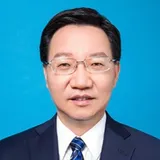
Co-Chair
Qingdao National Laboratory of Marine Science and TechnologyChina
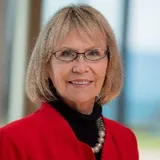
Co-Chair
Scripps Institution of Oceanography, UC San DiegoUSA
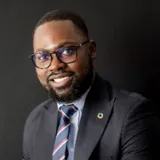
UNESCO-IOC Sub-Commission for Africa and the Adjacent Island States (IOCAFRICA)Kenya
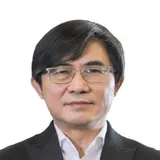
Fujian-OI / XMUChina

French National Centre for Scientific Research (CNRS)France
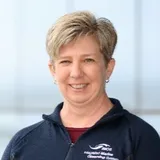
Integrated Marine Observing System (IMOS)Australia

University of WashingtonUSA

University of BolognaItaly
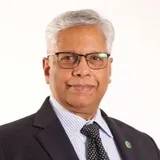
Woods Hole Oceanographic InstitutionUSA

FugroAustralia

National Oceanography CentreUK

Schmidt Ocean InstituteUSA
Fei Chai, Samuel Wang, and Nick Rome
Questions sent to info@oceanobs29.net are routed to the OceanObs’29 Coordination Team.